
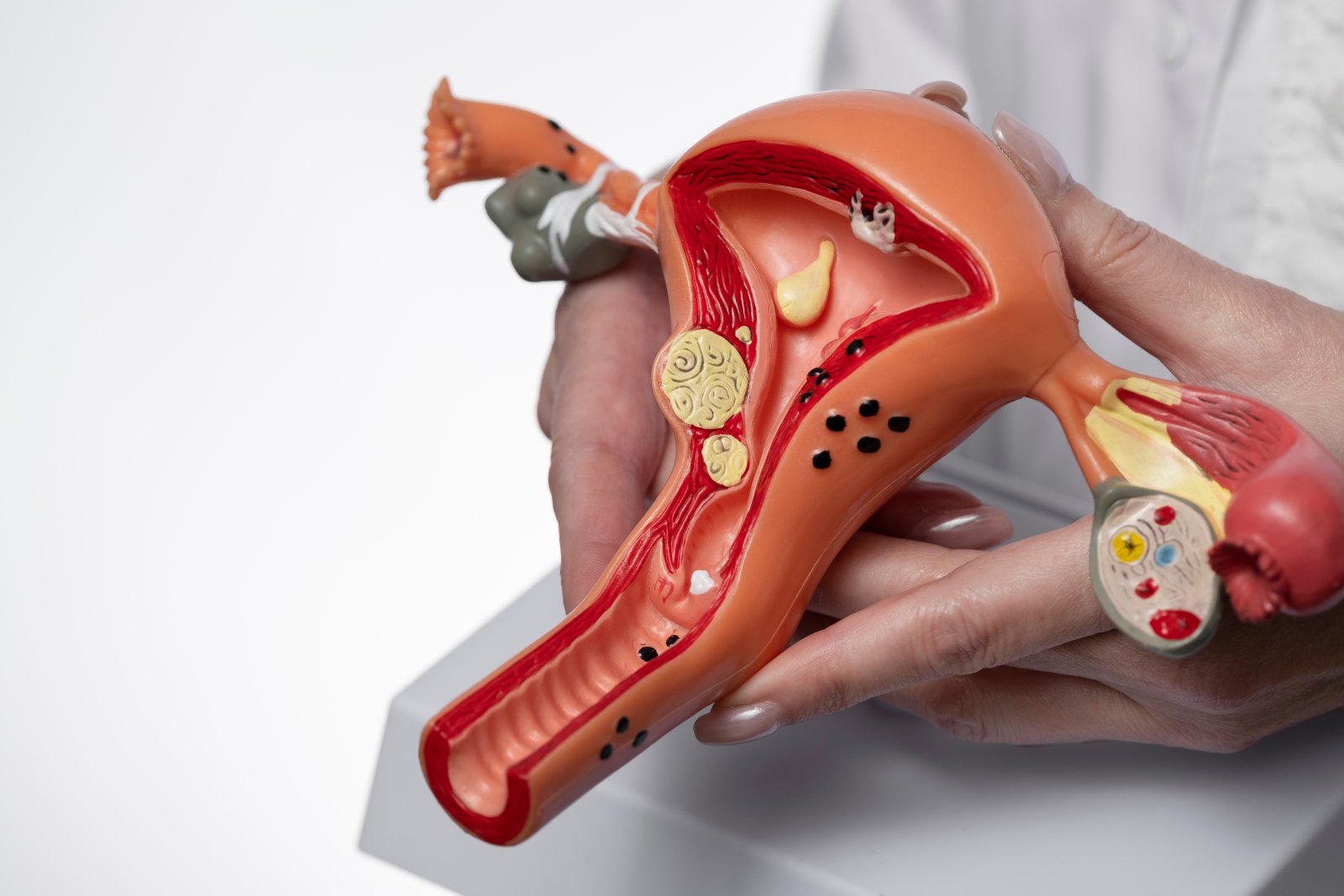
What Are Uterine Fibroids?
Uterine fibroids are non-cancerous growths that form in the muscle wall of the uterus. Many women wonder, what are uterine fibroids? These growths are also called myomas or leiomyomas. Although fibroids are common, most are harmless. However, some women may notice symptoms that affect their daily life. In fact, fibroids can vary in size, from very small to quite large. Sometimes, women may not even know they have fibroids until a doctor finds them during a checkup. Because of this, learning about fibroid symptoms and treatment for uterine fibroids is important.
Causes of Uterine Fibroids
Doctors do not know the exact causes of uterine fibroids. However, several factors may increase the risk of developing them. For example, hormones like estrogen and progesterone seem to play a role. These hormones help the uterine lining grow during each menstrual cycle. As a result, they may also help fibroids grow. In addition, family history can matter. If your mother or sister had fibroids, you may be more likely to get them too. Age is another factor. Fibroids are most common in women aged 30 to 50. Furthermore, certain lifestyle habits may increase risk. These include:
Even though these factors can raise your risk, many women with fibroids have none of them. Therefore, it is important to talk with your doctor if you have concerns.
Common Symptoms of Uterine Fibroids
Many women with fibroids do not have any symptoms. However, when symptoms do appear, they can range from mild to severe. For instance, heavy or long periods are common signs. Some women also feel pain or pressure in the lower belly. Because fibroids can press on nearby organs, they may cause other problems. Common fibroid symptoms include:
Sometimes, fibroids can make it harder to get pregnant. Although this is rare, it is still possible. If you notice any of these symptoms, you should see your healthcare provider.
How Uterine Fibroids Are Diagnosed
Doctors use several methods to diagnose uterine fibroids. First, they may ask about your symptoms and medical history. Next, a pelvic exam can help find changes in the shape of your uterus. However, imaging tests are often needed to confirm the diagnosis. For example, an ultrasound uses sound waves to create pictures of the uterus. This test is safe and painless.
Sometimes, doctors use MRI scans for a clearer view. In some cases, other tests like hysteroscopy or saline infusion sonography may be used. These tests help doctors see the inside of the uterus more clearly. With these tools, your doctor can find the size, number, and location of fibroids.
Available Treatment Options for Uterine Fibroids
Treatment for uterine fibroids depends on your symptoms, age, and plans for pregnancy. In many cases, no treatment is needed if symptoms are mild. However, if fibroids cause problems, several options are available. For example, medications can help control heavy bleeding or pain. Some medicines shrink fibroids by affecting hormone levels. In addition, doctors may suggest procedures to remove or destroy fibroids. Common treatments include:
Because each woman is different, your doctor will help you choose the best treatment. Sometimes, watchful waiting is all that is needed.
Lifestyle Tips and Prevention Strategies
Although you cannot always prevent uterine fibroids, healthy habits may lower your risk. For instance, eating more fruits and vegetables can help. In addition, staying at a healthy weight may reduce your chances of developing fibroids. Regular exercise is also important. Furthermore, managing blood pressure can help protect your health. Here are some helpful tips:
Even though these steps cannot guarantee prevention, they support your overall well-being. If you have concerns about fibroids, talk with your healthcare provider for guidance.
Conclusion
Uterine fibroids are common non-cancerous growths that can vary in size, number, and location. Some women may have no symptoms, while others may experience heavy periods, pelvic pressure, pain, or fertility concerns. Evaluation helps determine whether monitoring, medication, or a procedure may be appropriate.
Experiencing heavy periods, pelvic pain, or other symptoms linked to fibroids?
Consult Dr. Priyanka for personalised evaluation and guidance on the right treatment approach.