
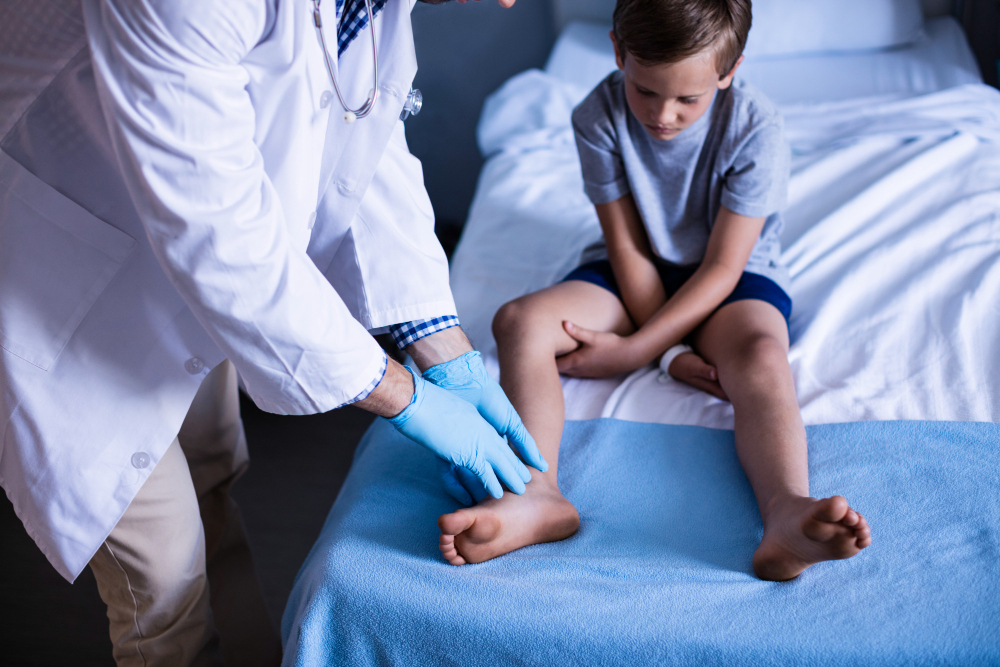
Growth-related bone problems in kids can affect how children develop and move. These issues, also called children’s bone growth issues or pediatric bone disorders, may slow down or change normal bone health in kids. While most children grow without problems, some may face challenges that need medical care. Early detection helps prevent long-term issues. In this blog, we will explain the symptoms, causes, diagnosis, and treatment of growth-related bone problems in children.
Symptoms of Growth-Related Bone Problems in Kids
Recognizing symptoms early is important. Often, parents notice changes before children complain. However, some signs may be hard to spot. Watch for these common symptoms:
Sometimes, children may only feel tired or avoid physical activities. Therefore, it is important to pay attention to any changes in your child’s movement or comfort.
Common Causes and Risk Factors
Many things can cause growth-related bone problems in kids. Some are genetic, while others are linked to nutrition or injury. Here are some common causes and risk factors:
For example, children who do not get enough sunlight or dairy may develop weak bones. In addition, some children are born with conditions that affect bone strength. According to the CDC, proper nutrition and regular check-ups help lower the risk.
How Doctors Diagnose Bone Problems in Children
Doctors use several steps to diagnose pediatric bone disorders. First, they ask about your child’s health history and symptoms. Next, they perform a physical exam to check for pain, swelling, or changes in bone shape. If needed, doctors may order tests, such as:
Sometimes, doctors may refer your child to a pediatric bone specialist. Early diagnosis helps start treatment sooner and improves outcomes.
Treatment Options for Pediatric Bone Disorders
Treatment depends on the cause and severity of the bone problem. However, most children respond well to early care. Common treatment options include:
Doctors may also recommend changes in diet or activity. For example, more outdoor play can boost vitamin D levels. In the United States, most children with bone growth issues recover well with proper care, according to the American Academy of Pediatrics.
Lifestyle Tips and Prevention for Healthy Bone Growth
Although some bone problems are genetic, many can be prevented or managed with healthy habits. Here are some tips for parents:
In addition, talk to your doctor if you have a family history of bone disorders. Early action can help keep your child’s bones strong and healthy.
Conclusion
Growth-related bone problems in kids can affect their health and development. But with early detection and proper care, most children recover well. If you notice any signs of bone problems in your child, consult a pediatric specialist Dr. Priyanka for personalized advice.