Introduction
Cancer is a leading cause of illness worldwide. Screening tests for common cancers help find cancer early, often before symptoms appear. Early cancer detection can save lives. Following cancer screening guidelines and regular preventive health checks can lower your risk. In the United States, many people benefit from these tests. Knowing what to expect can help you make informed choices about your health.
What Are Cancer Screening Tests?
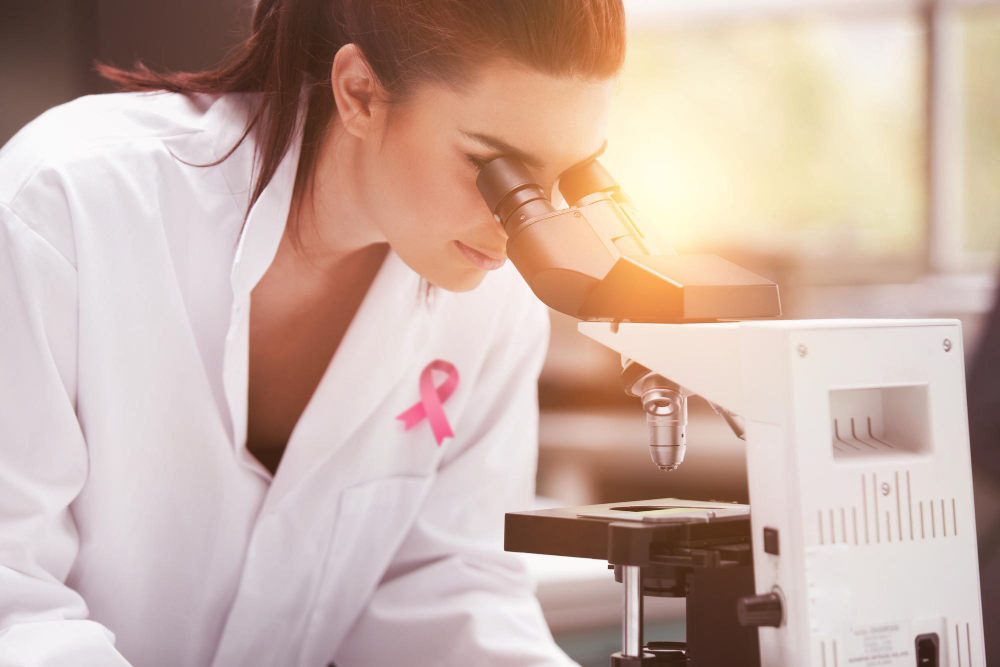
Cancer screening tests look for signs of cancer before you feel sick. These tests check for changes in your body that may lead to cancer. For example, a screening test might find a lump or unusual cells. Not all screening tests are the same. Some use blood samples, while others use imaging or tissue samples. The goal is to catch cancer early, when treatment works best.
Why Are Screening Tests Important?
Screening tests are important for several reasons. First, they can find cancer at an early stage. Second, early cancer detection often means simpler treatment and better results. Third, some tests can find changes before they turn into cancer. As a result, you may prevent cancer from developing. Regular screening is a key part of preventive health checks.
Common Cancers and Their Screening Tests
Several common cancers have recommended screening tests. Below are some examples:
Who Should Get Screened?
Not everyone needs every screening test. Age, gender, and risk factors all play a role. For example, women over 40 may need mammograms. People with a family history of cancer may need to start screening earlier. In addition, those with certain health conditions may need more frequent checks. Always talk to your doctor about the best plan for you.
How Are Screening Tests Performed?
Screening tests use different methods. Here are some common ways:
Each test is quick and usually safe. However, some may cause mild discomfort. Your doctor will explain what to expect.
Benefits and Limitations of Screening
Screening tests offer many benefits. They can find cancer early, lower your risk, and give peace of mind. But, no test is perfect. Sometimes, tests miss cancer or show a problem when there is none. This can lead to extra tests or worry. Even so, the benefits often outweigh the risks. It is important to follow cancer screening guidelines and talk to your doctor about your options.
How to Prepare for a Screening Test
Preparation depends on the test. For some, you may need to avoid eating or drinking. For others, you may need to stop certain medicines. Your doctor will give you clear instructions. It helps to wear comfortable clothes and bring a list of your medicines. If you feel nervous, ask questions before the test. Knowing what to expect can help you feel more at ease.
Prevention Tips and Healthy Lifestyle Guidance
Besides screening, healthy habits can lower your cancer risk. Here are some tips:
Making small changes can have a big impact on your health. Even so, regular preventive health checks remain important.
Conclusion
Screening tests for common cancers are a key part of staying healthy. Early cancer detection and preventive health checks can save lives. If you have questions, consult Dr Priyanka. They can help you choose the right screening plan for your needs.