
Cervical cancer prevention is important for women’s health. Early steps like screening and HPV vaccination can lower your risk. In many places, these tools help save lives every year. With the right knowledge, you can make choices that protect your health and well-being.
What Is Cervical Cancer?
Cervical cancer starts in the cells of the cervix. The cervix is the lower part of the uterus, which connects to the vagina. Most cases develop slowly over time. Often, early changes in the cervix do not cause symptoms. Because of this, regular screening is key for early detection.
Why Prevention Matters
Every year, thousands of women are diagnosed with cervical cancer. However, most cases can be prevented. Early detection and vaccination make a big difference. When found early, cervical cancer is easier to treat. Prevention helps protect your health and reduces worry for you and your family.
Understanding Cervical Cancer Screening
Screening means checking for signs of disease before symptoms appear. For cervical cancer, screening can find changes in the cervix early. As a result, doctors can treat problems before they become cancer. Regular screening is one of the best ways to prevent cervical cancer.
Types of Screening Tests (Pap Smear, HPV Test)
There are two main tests for cervical cancer screening. Both are simple and done in a doctor’s office. Each test checks for different signs of risk:
Sometimes, both tests are done together. This is called co-testing. Your doctor will help decide which test is right for you.
Recommended Screening Guidelines
Screening guidelines may vary by country or region. However, most experts, like the CDC and WHO, suggest:
Always talk to your healthcare provider about what is best for you. Some women may need more frequent tests based on their health history.
The Role of HPV in Cervical Cancer
HPV, or human papillomavirus, is a common virus. Most people get HPV at some point in their lives. However, certain types of HPV can cause cervical cancer. Not all HPV infections lead to cancer. In most cases, the body clears the virus on its own. But, when the virus stays in the body, it can cause cell changes that may lead to cancer over time.
HPV Vaccination: How It Works
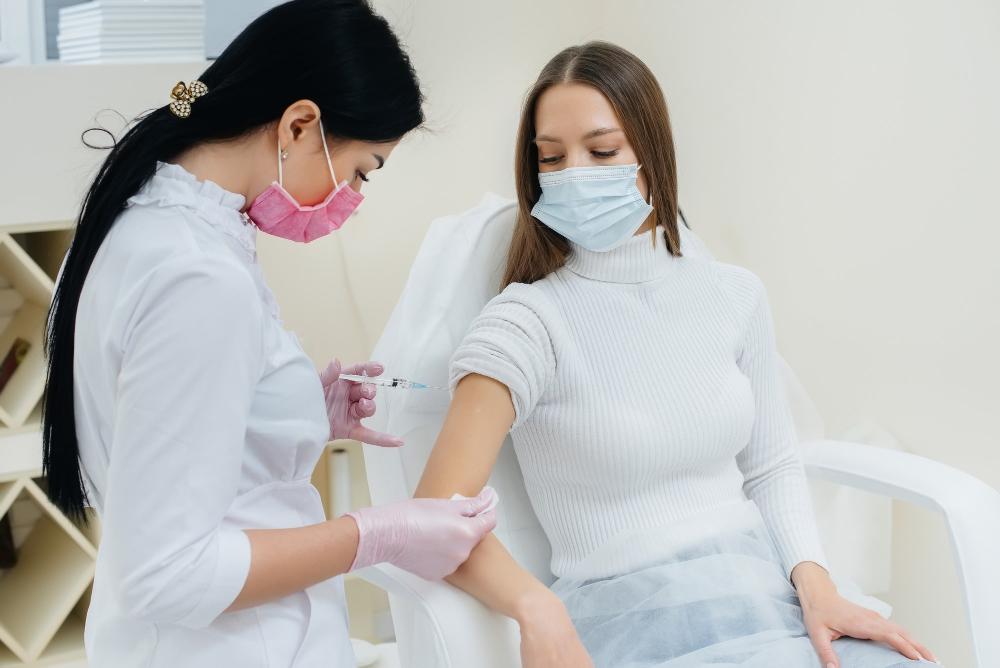
The HPV vaccine helps protect against the types of HPV that cause most cervical cancers. It works by teaching your body to fight the virus. As a result, the vaccine lowers your risk of getting HPV-related cancers. The vaccine is given as a series of shots, usually over several months. Getting vaccinated before exposure to HPV offers the best protection.
Who Should Get the HPV Vaccine?
Experts recommend the HPV vaccine for:
Although the vaccine works best before exposure to HPV, older teens and young adults can still benefit. Many health clinics and schools offer the vaccine as part of routine care.
Safety and Effectiveness of HPV Vaccines
HPV vaccines are safe and well-studied. Millions of people worldwide have received the vaccine. According to the CDC and WHO, side effects are usually mild. These may include soreness at the injection site or a mild fever. The vaccine is very effective at preventing the types of HPV that cause most cervical cancers. Studies show a sharp drop in HPV infections and cervical changes since the vaccine became available.
Lifestyle Tips for Reducing Risk
Besides screening and vaccination, healthy habits can lower your risk of cervical cancer. For example, you can:
By making these choices, you help protect your health. Prevention is possible with the right steps and support.
Conclusion
For questions about cervical cancer prevention, screening, or the HPV vaccine, reach out to Dr. Priyanka at our clinic. Your health matters, so schedule a visit today for caring support and guidance.