
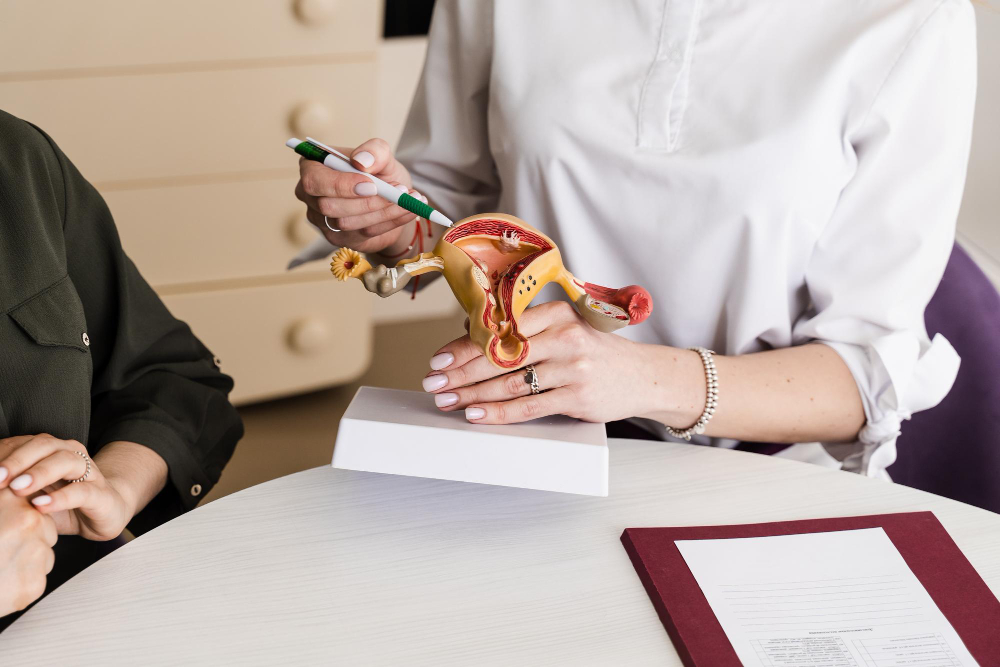
What Is a Laparoscopic Hysterectomy?
Laparoscopic hysterectomy is a type of minimally invasive hysterectomy. In this surgery, doctors remove the uterus using small cuts in the belly. Because the cuts are small, recovery is often faster than with open surgery. During the procedure, a thin tube with a camera, called a laparoscope, helps the doctor see inside the body. In the United States, this method is common for treating many uterine conditions. For many women, laparoscopic surgery for uterine conditions means less pain and a shorter hospital stay.
When Is Laparoscopic Hysterectomy Recommended?
Doctors may suggest a laparoscopic hysterectomy for several reasons. Usually, it is recommended when other treatments have not worked. For example, women with certain health problems may benefit from this surgery. Common reasons include:
Sometimes, doctors may choose this method because it is less invasive. However, not everyone is a candidate. Your doctor will help decide if this surgery is right for you.
How Is Laparoscopic Hysterectomy Performed?
First, the patient receives anesthesia to sleep during the procedure. Next, the doctor makes a few small cuts in the lower belly. Through one of these cuts, the laparoscope is inserted. Because the camera sends images to a screen, the doctor can see inside clearly. Then, special tools are used through the other cuts to remove the uterus. Sometimes, the cervix, ovaries, or fallopian tubes are also removed. The uterus is usually taken out through the vagina or, in rare cases, through a small cut in the belly. After the uterus is removed, the doctor closes the cuts with stitches. Most patients go home the same day or after one night in the hospital.
Benefits and Risks of Laparoscopic Hysterectomy
Many women choose minimally invasive hysterectomy because it offers several benefits. For instance, the smaller cuts often mean:
However, every surgery has risks. Possible risks include:
According to the CDC and peer-reviewed studies, serious problems are rare. Still, it is important to talk with your doctor about your personal risks.
Recovery and Aftercare Tips
After laparoscopic hysterectomy, recovery is usually faster than with open surgery. Most women can return to light activities within one or two weeks. However, full recovery may take up to six weeks. To help your body heal, try these tips:
Because every person heals differently, always ask your doctor if you have questions about recovery after laparoscopic hysterectomy. For more information, you can visit trusted sources like the CDC or the American College of Obstetricians and Gynecologists.