Introduction
Colonoscopy screening is a simple test that helps doctors check the inside of your colon. It is very important because it can find early signs of colon cancer. In fact, colonoscopy screening can even help prevent cancer before it starts. Many people do not realize how helpful this test can be. However, learning about it can help you make the best choices for your health.
What Is Colonoscopy Screening?
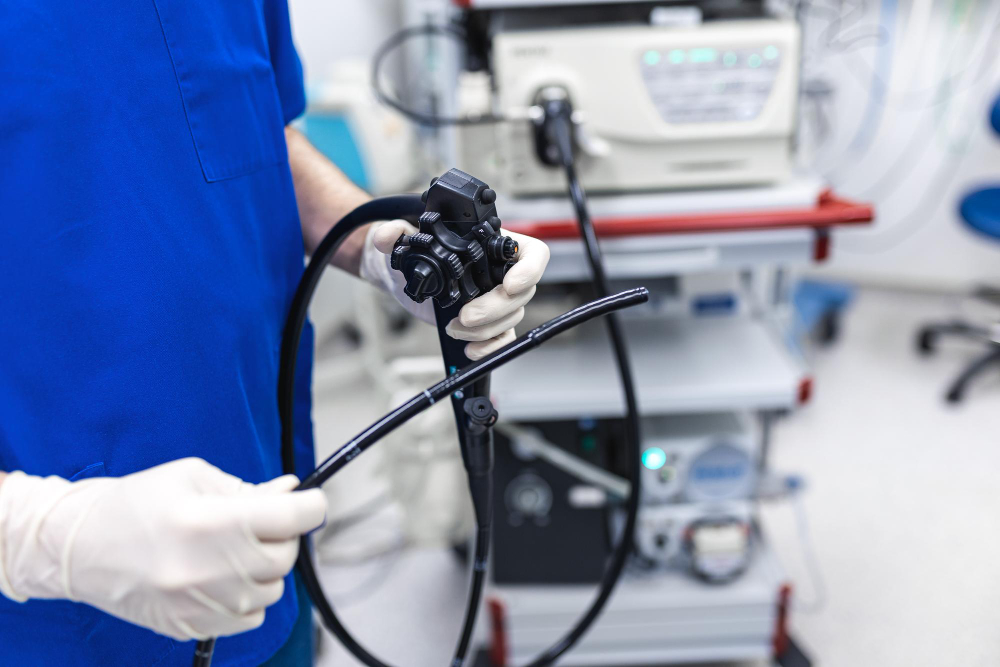
A colonoscopy is a test that lets a doctor look inside your large intestine, also called the colon. During the test, a thin, flexible tube with a camera is gently passed into your colon. This camera shows pictures on a screen, so the doctor can see if there are any problems. For example, the doctor can find small growths called polyps. Sometimes, these polyps can turn into cancer if not removed.
Why Is Colonoscopy Screening Important?
Colonoscopy screening is important for many reasons. First, it can find colon cancer early, when it is easier to treat. Also, it can help prevent cancer by removing polyps before they become dangerous. According to the CDC, colon cancer is one of the most common cancers, but regular screening can lower your risk. In addition, early detection often means less treatment and a better chance of recovery.
Who Should Get a Colonoscopy?
Most people should start colonoscopy screening at age 45. However, some people may need to start earlier. For example, if you have a family history of colon cancer or certain health problems, your doctor may suggest screening sooner. It is important to talk with your doctor about when to begin. They can help you decide what is best for you.
How Is a Colonoscopy Performed?
Before the test, you will need to clean out your colon. This is usually done by drinking a special liquid the day before. During the colonoscopy, you will lie on your side. The doctor will gently insert the tube into your colon. Most people get medicine to help them relax or sleep during the test. The whole process usually takes about 30 to 60 minutes. After the test, you may feel a little sleepy, but you can go home the same day.
Benefits of Early Detection
Early detection through colonoscopy screening can save lives. When colon cancer is found early, treatment is more likely to work. Also, removing polyps during the test can stop cancer from developing. As a result, regular screening lowers your risk of serious illness. Many studies show that colonoscopy screening reduces deaths from colon cancer.
Common Myths and Facts
Tips for Preparing for a Colonoscopy
Good preparation helps your doctor see your colon clearly. Here are some tips:
Remember, good preparation makes the test easier and more accurate.
Prevention and Lifestyle Guidance
Besides screening, healthy habits can lower your risk of colon cancer. For instance, eating more fruits, vegetables, and whole grains helps. Also, try to exercise regularly and keep a healthy weight. Limiting red meat and avoiding smoking or too much alcohol can make a big difference. Even so, regular colonoscopy screening is still the best way to catch problems early.
Conclusion
Colonoscopy screening is a powerful tool for colon cancer prevention and early detection. It can save lives by finding problems before they become serious. If you are 45 or older, or have risk factors, talk to your doctor about when to start screening. Taking this step can help protect your health for years to come.
Consult your healthcare provider for personalized advice about colonoscopy screening and your health needs.