
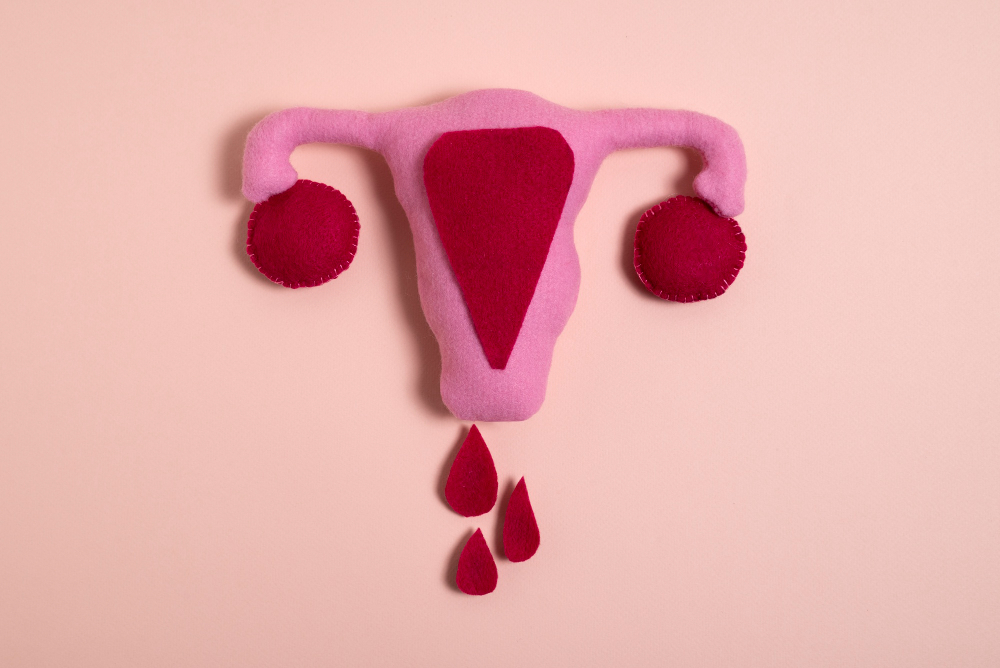
What Are Heavy Periods?
Many women experience changes in their menstrual flow. However, heavy periods can sometimes signal a problem. Heavy periods, also called menorrhagia, mean you lose more blood than usual during your cycle. In fact, the Centers for Disease Control and Prevention (CDC) notes that about one in five women report heavy menstrual bleeding. While some variation is normal, very heavy periods can affect daily life. For example, you may need to change pads or tampons every hour. If you often soak through your protection, it may be time to learn more about abnormal menstrual bleeding.
Common Symptoms of Heavy Periods
Not all women know what counts as heavy bleeding. Still, certain signs can help you spot the difference. For instance, you might notice:
Sometimes, heavy periods come with severe cramps or pain. Although mild cramps are common, severe pain is not normal. If you notice these symptoms, it could be a sign of abnormal menstrual bleeding.
Causes of Heavy Periods
Several health issues can lead to heavy periods. For example, hormonal changes are a common cause. Sometimes, the body makes too much or too little estrogen or progesterone. This can affect how the lining of the uterus builds up and sheds. In addition, the following conditions can cause heavy menstrual bleeding:
Because many causes exist, it is important to talk to a healthcare provider if you notice changes in your period.
How Heavy Periods Are Diagnosed
First, your doctor will ask about your symptoms and medical history. Next, they may perform a physical exam. Sometimes, blood tests help check for anemia or bleeding disorders. In addition, your doctor might use an ultrasound to look at your uterus and ovaries. In some cases, other tests like a biopsy or hysteroscopy are needed. These steps help find the cause of abnormal menstrual bleeding. Early diagnosis can lead to better treatment options.
Treatment Options for Heavy Periods
Treatment depends on the cause of your heavy periods. For some women, simple changes or medicines can help. For others, more advanced care is needed. Common treatments include:
Because every woman is different, your doctor will help choose the best plan for you. Often, treatment can improve your quality of life and reduce symptoms.
Lifestyle Tips for Managing Heavy Periods
Although medical treatment is important, lifestyle changes can also help. For example, you can:
With these tips, you may feel more prepared to handle heavy menstrual bleeding. Still, always talk to your doctor before making big changes.
When to See a Doctor About Heavy Periods
Sometimes, heavy periods are a sign of a serious health problem. Therefore, you should see a doctor if you:
Early care can help prevent complications and improve your health. In fact, the World Health Organization (WHO) recommends seeking help if you notice these signs.
Prevention and Self-Care Strategies
While not all heavy periods can be prevented, some steps may help. For instance, maintaining a healthy weight can support hormone balance. In addition, regular exercise and a balanced diet can improve overall women’s health. If you take medicines that affect bleeding, talk to your doctor about safer options. Finally, managing stress and getting enough sleep can also help your body stay healthy. With the right care, many women find relief from abnormal menstrual bleeding.
Conclusion
If you notice heavy periods or changes in your cycle, Dr. Priyanka is here to help. Book a health check-up today to get answers and support for your well-being.
If you notice heavy periods or changes in your cycle, Priyanka is here to help. Book a health check-up today to get answers and support for your well-being.