
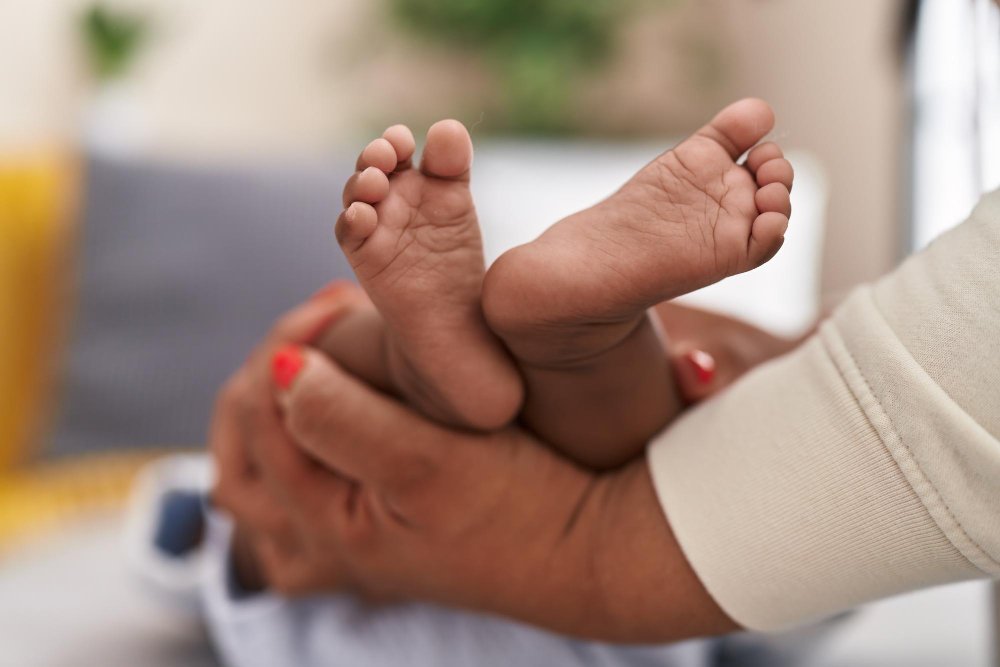
Clubfoot in newborns is a foot condition seen at birth. In this condition, a baby’s foot turns inward or downward. Early treatment for clubfoot in newborns is very important. With quick care, babies can grow up to walk and play like other children. Parents in cities like New York, Los Angeles, or Chicago may find many clubfoot treatment options nearby. However, early action is key everywhere.
What Is Clubfoot in Newborns?
Clubfoot is a birth problem that affects the shape and position of a baby’s foot. Usually, one or both feet turn inwards or point down. Because of this, the foot may look twisted. Clubfoot in newborns is not painful at birth, but it can cause problems if left untreated. According to the CDC, about 1 in every 1,000 babies is born with clubfoot.
Common Symptoms and Signs
Often, parents notice clubfoot right after birth. Still, some signs may be harder to spot. Here are common signs of clubfoot in babies:
Because these signs are clear, doctors can usually diagnose clubfoot quickly.
Causes and Risk Factors
Doctors do not always know why clubfoot happens. However, some factors can raise the risk. For example, clubfoot in newborns can run in families. If a parent had clubfoot, their baby is more likely to have it too. Other risk factors include:
Even though these factors play a role, clubfoot can still happen without any known cause.
How Clubfoot Is Diagnosed in Newborns
Usually, doctors spot clubfoot right after birth during a physical exam. Sometimes, they may see signs of clubfoot on an ultrasound before birth. After birth, the doctor will gently move the baby’s foot to check its range of motion. In some cases, X-rays help confirm the diagnosis. Because early detection is important, doctors check all newborns for clubfoot.
Why Early Treatment Matters
Early treatment for clubfoot in newborns gives the best results. When treatment starts soon after birth, the baby’s bones and joints are soft and easy to shape. As a result, the foot can be corrected more easily. If clubfoot is not treated early, it can lead to:
Therefore, starting treatment in the first weeks of life is very important. The World Health Organization also recommends early care for clubfoot.
Treatment Options for Clubfoot in Newborns
There are several clubfoot treatment options for babies. The most common method is the Ponseti method. This involves gentle stretching and casting of the foot. Each week, the doctor changes the cast to slowly move the foot into the right position. After several weeks, a small surgery may be needed to release a tight tendon. Then, the baby wears special shoes and braces to keep the foot corrected. Other treatment options include:
Because every baby is different, the doctor will choose the best treatment plan.
Tips for Parents: Supporting Your Baby’s Recovery
After treatment begins, parents play a big role in their baby’s recovery. For example, they need to make sure casts or braces stay clean and dry. Here are some helpful tips:
With support and care, most babies recover well and reach their milestones.
Prevention and Long-Term Outlook
Although clubfoot in newborns cannot always be prevented, some steps may help lower the risk. For instance, avoiding smoking during pregnancy and getting regular prenatal care can help. Most babies who receive early treatment for clubfoot grow up to walk, run, and play without problems. However, regular check-ups are important to watch for any changes as the child grows. With early care and support, the long-term outlook for clubfoot in newborns is very good.